Contour Cutting
What is Contour Cutting?
A key to good marketing is to think “outside the box.” The box, in this case, would be the common visual of printed material like a poster or signage that almost always takes the shape of a rectangle or square. These boxes full of advertising appear so often that many people subconsciously ignore them as they go about their daily business of life and work.
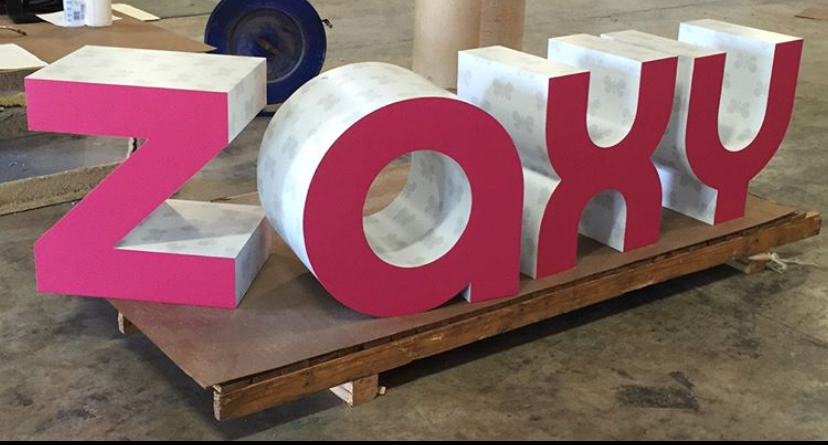
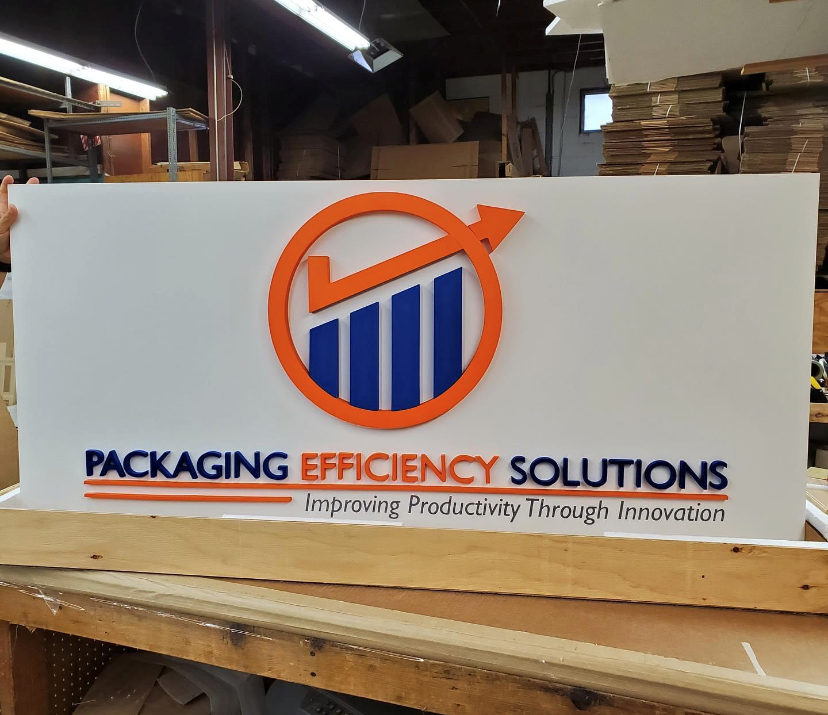
However, by altering this regular shape, we can use the unlimited variations of 2D shapes to draw the eye to exactly what we want our potential customers to see. This process is called contour cutting. Another distinct feature of contour cutting is that you won’t need any background for the image or design, whether clear or solid. Your target audience sees only the most important part of your work.
While we specialize at SpeedPro in creating large format printed materials for your marketing campaign or events, we also offer the ability to create these printed materials in attention-grabbing shapes via contour cutting. SpeedPro can offer big flatbed computer-controlled cutters to contour cut rigid substrates like aluminum, foam core and plastic.
Request QuotePrinting products that present excellent opportunities for contour cutting are widely used for numerous purposes by marketers and printed-product sellers. These include, but are not limited to:
- Wall & door fabric
- Seasonal decorations
- Poster boards
- Party props
- Wind banner flags
- Museum and gallery wall narrative
- Sintra / PVC boards
- Vehicle decals
- Window clings
- Self-adhesive removable vinyl
Contour cutting is when cutting plotter machines (like a vinyl cutter, for instance) uses an automated blade to follow a digitally predetermined path around the edge of your printed design, or in some other designated shape. That edge is known as the “contour line,” which is how the term contour cutting was coined. An easy-to-visualize example of this would be the sheet of stickers that you may have loved to play with as a child. The cutting blade slices through material like paper, vinyl, or mylar which is on a flat surface in a cutting plotter machine. Small cutting plotters, often also known as die-cut devices, recently have grown in popularity for scrapbooking, cardmaking and other craft uses for the creation of gifts, decals and much more.
At SpeedPro, we can provide contour cutting services that accurately create a clean, crisp cut to your exact specifications. While traditional large format printing uses data from a single file, contour cutting requires 2 files: the artwork file and a special cutting file. While the art file provides the data for your design, the cutting file provides the data specific to the contour you want to cut, including the exact dimensions.
Your artwork file includes small black dots in non-printed areas that are evenly spaced. Called registration marks, they guide the cutting plotter’s blade and enable the precise cutting of your chosen material. Various printing companies will have different requirements for the size of these registration marks, but it is generally best to use one-quarter inch as the size guideline for them if you are unsure of a specific requirement.
Once you have added the registration marks into your art file, you need to create the second layer in the art file that will allow you to overlay the outlines in the cutting file. This will help you see how your cutting file aligns with your art file and detect any potential problems or mismatches between the two files.
Next, all text in the design needs to be converted to outlines to ensure there aren’t any missing fonts when the project goes into production. After this step, both files should be saved as high-quality PDFs
The cutting plotter will use the registration marks in the art file as well as the data in the digital cutting file which denotes the actual outline in order to accurately contour-cut your project. Using these two methods together allows for great precision in the cut.
Though there are a few steps, they are relatively simple. If you have any questions, SpeedPro engineers are standing by to offer guidance as needed.