
Fine Art Products
Photography Options
High-resolution, large-format photography is the main cornerstone of creating quality large format prints for display as a fine art product. When choosing what image to use or how to acquire the right image there are many factors to consider. Hiring a professional photographer to take custom images may be the best option, but it can also be the most expensive especially when combined with the cost of traveling to your chosen location and potentially hiring models for the shoot. Another option is leasing or purchasing the rights to use a royalty-free stock image from sites such as:
- www.istockphoto.com
- www.shutterstock.com
- www.bigstockphoto.com
- www.dreamstime.com
- www.masterfile.com
- www.gettyimages.com
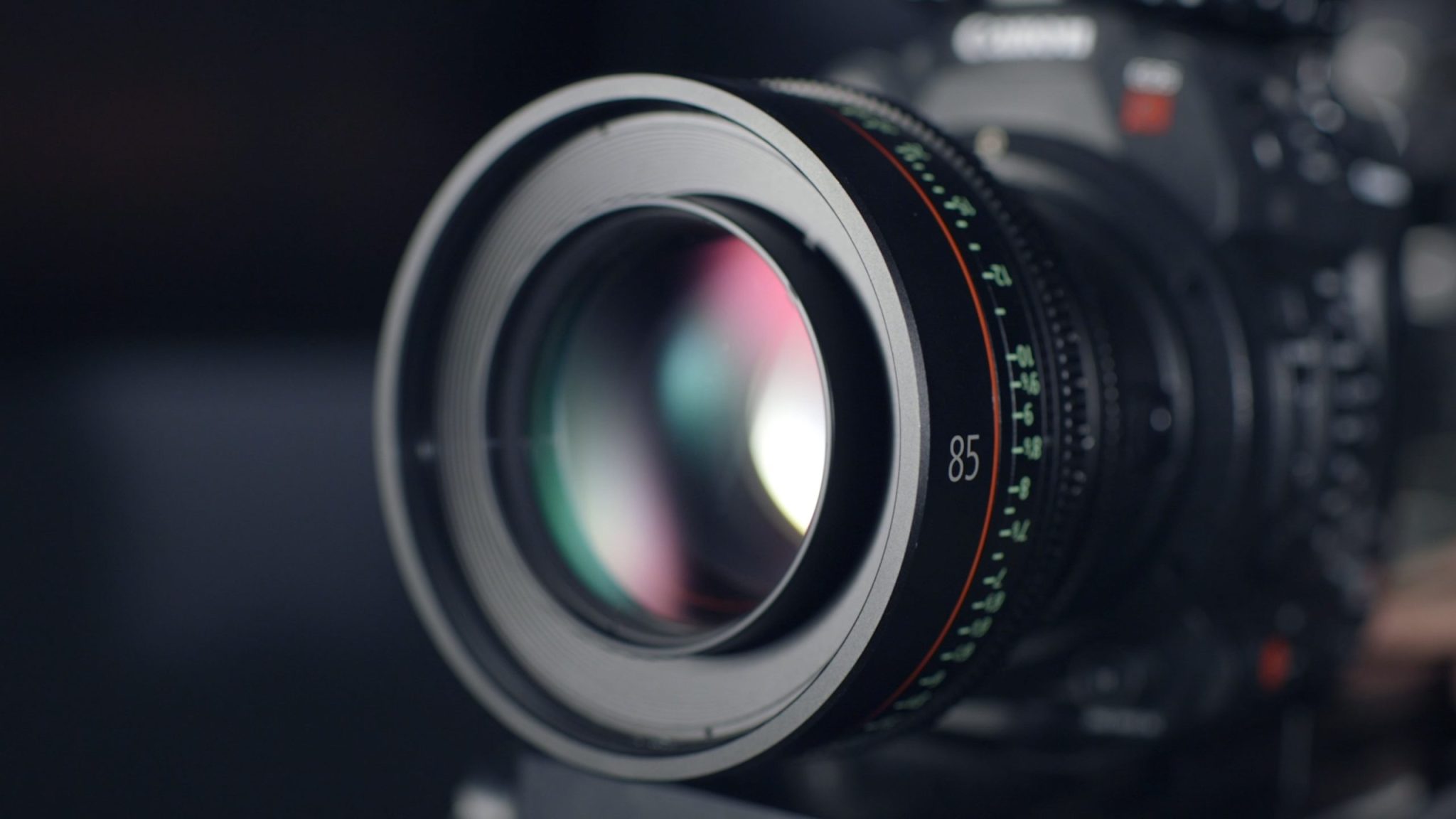
However, stock images are often very generic and the general public has grown savvy in recent years of picking out when a stock image has been used. In fact many stock images have been repurposed into popular memes indelibly changing the lives of the models hired for the photos by making them minor internet celebrities. Therefore, if you want to create a unique image for your print, taking your own photographs is the best option. In our modern age, everyone has a digital camera in their phone, but we recommend using a dedicated digital camera to ensure the highest quality images with the most pixel data available when taking your photos.
High-end digital cameras can be as high as 12-Megapixels. One Megapixel equals one million individual pixels. For example, a 12-Megapixel camera may have a resolution that is 4288 pixels wide x 2848 pixels high. The ideal resolution for file size when printing a large format fine art photograph is 300 DPI (dots per inch.) However, a resolution of 100 DPI, for viewing at a distance greater than 10 feet, or 150 DPI for closer viewing is adequate. You never want to go below 100 DPI and above 300 DPI is generally wasted effort. Therefore to keep within a 100-300 DPI guideline, the maximum size we can output a print while minimizing distortion is 42.88″ wide (4288 pixels wide divided by 100). The larger the original photograph and the more pixel data acquire with a good camera the more wiggle room you have on these equations.
Although the goal is to use the best possible source photograph we understand that may not always be available. Therefore to best assist our customers SpeedPro uses special software to smooth out the “jaggies” of less than optimal files that contain less pixel data. Our software has proprietary algorithms to create better enlargements than even Photoshop, as long as there is sufficient pixel data. We will not guarantee a miracle, but we will endeavor to make a significant improvement.
If asked, professional photographers will always tell you that lighting is fundamental to good photography. When you go on your photo shoot you will want to make sure that the lighting is set up properly to ensure the final product is optimal. Depending on your subject matter instead of relying on natural light we recommend you bring in professional photo-shoots lighting, many good options can be rented if you have not budgeted purchasing the equipment.
A common mistake when dealing with lighting is glare, you see this in photos taken on the red carpet at events and paparazzi have too many flash photos being taken at the same time creating uneven lighting with harsh shadows. Always be aware of the lighting sources for your photo so that the lighting will be consistent, and the quality of photographs will not suffer.