
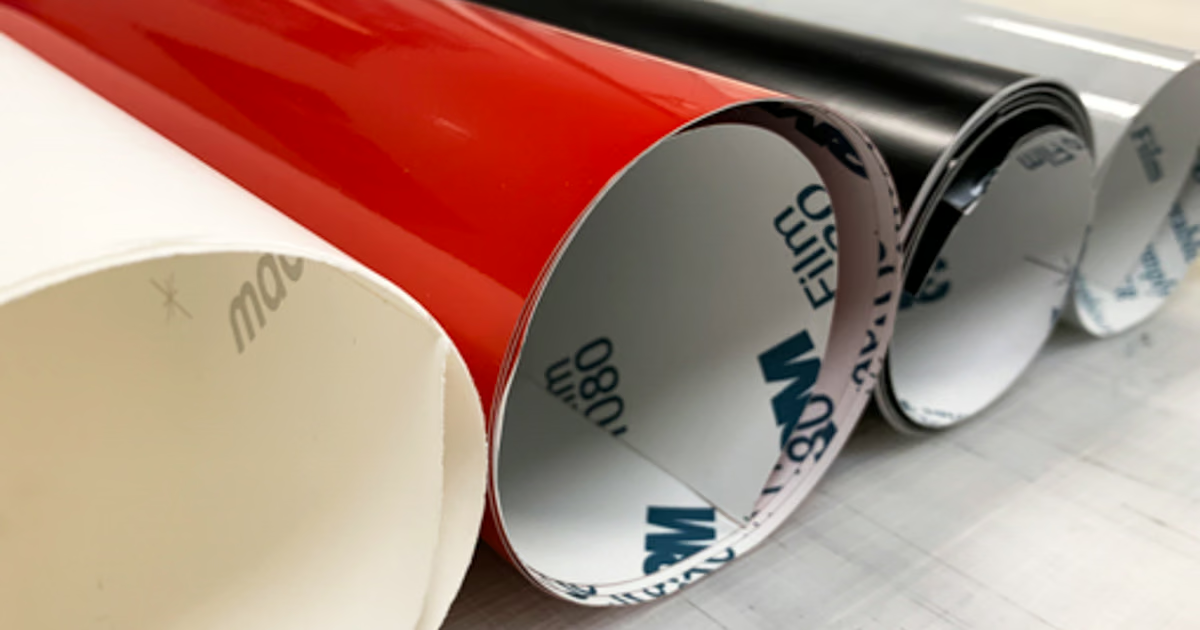
*SpeedPro does not sell unprinted or stock vinyl. We provide custom signage solutions using vinyl, but we are not a distributor.*
What is Vinyl in Large Format Printing?
Definition
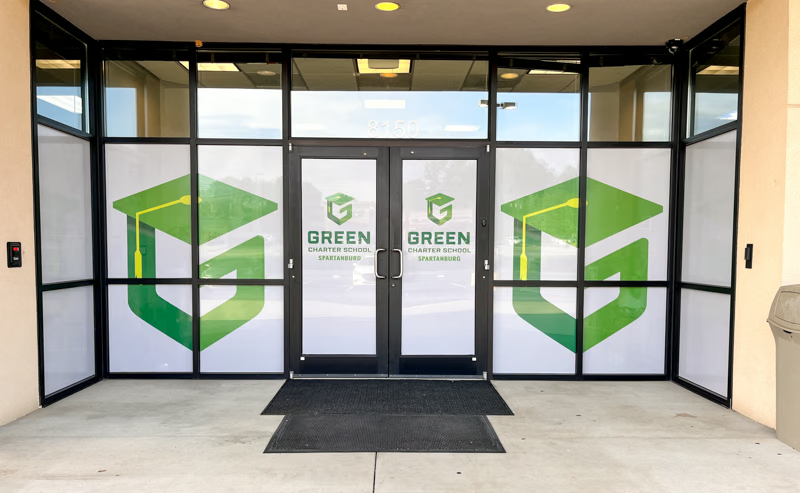
Large format printers use vinyl to change the physical appearance of a surface or object in order to customize signage. The self-adhesive properties of the material ensure long-lasting graphics and advertising. Although the material is thin, nothing but texture will be seen beneath your graphic.
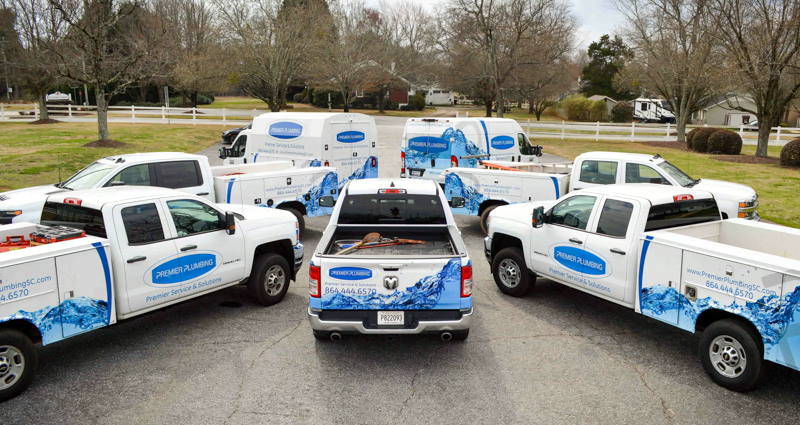
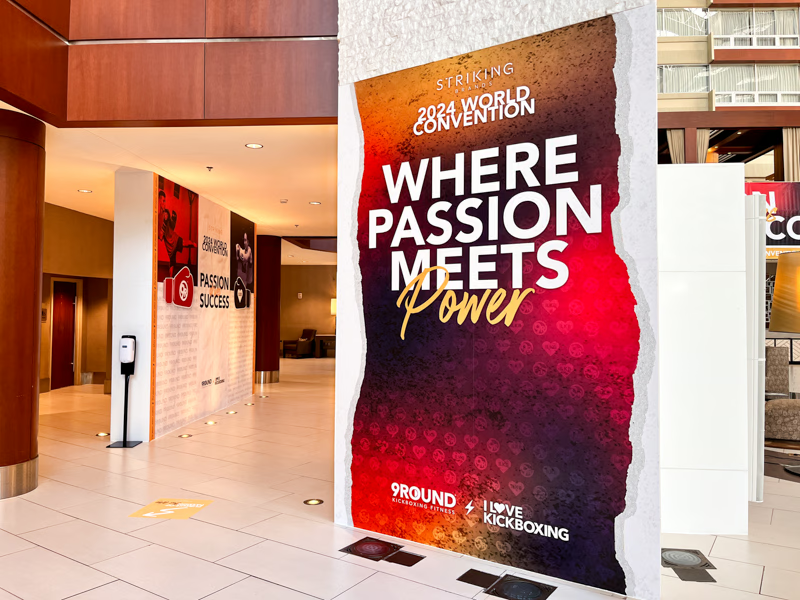
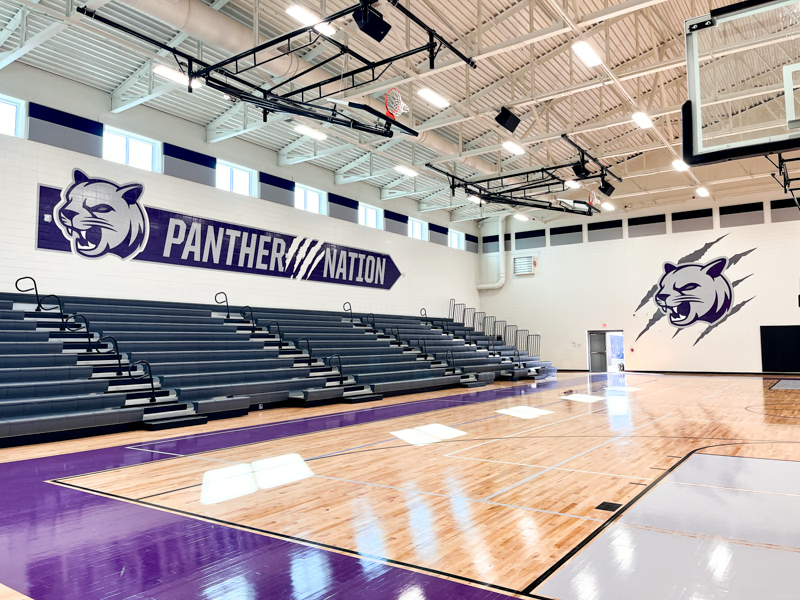
Vinyl film comes in all sorts of textures and stock colors as well as clear and white for digital printing. The material also has two categories of conformability: cast and calendered. Cast vinyl conforms well to rounded and edged surfaces which is why printers use it primarily for vehicle wraps. Calendered vinyl, on the other hand, sticks best to flat surfaces and is used for wall hangings, graphics, murals, etc. Both materials work outdoors and indoors.
Most vinyl prints also include a protective layer of laminate on top. Laminate for large format printing is applied with pressure, as opposed to heat. The material also comes with a few different finishes such as matte, gloss and semigloss.
The two main laminate finishes include gloss and matte; the biggest difference being their ability to reflect light. Gloss reflects light while matte reflects comparitively less. Semigloss falls at different points in between depending on the manufacturer. A matte laminate tends to hold better against scratches and fingerprints, while glossy works well outdoors as it catches light and pops out as drivers pass.
Other specialty vinyls and laminates include: special-made conformable wall vinyl, frosted films, tinted and colored films, reflective laminates and anti-graffiti laminates. This doesn’t even scratch the surface of the materials available for the thousands of wrap applications.