


Environmental Graphics and Wayfinding Signage in Chicago
Architectural environmental signs guide movement, improve navigation, and support branding within a space. SpeedPro Lake County designs, produces, and installs ADA-compliant signage for Chicago retail offices, healthcare environments, and corporate offices, with materials selected for durability and consistent performance.
Environmental Graphics That Improve Navigation, Flow, and Space Clarity
Custom environmental signage helps people understand how to move through a space, where to go, and how to interact with their surroundings. SpeedPro Lake County develops signage systems that support navigation, reinforce brand standards, and integrate with architectural environments across Chicago and the northern suburbs.
At our Gurnee studio, we manage the full lifecycle of your project in-house. This ensures absolute control over colorimetry (maintaining brand consistency across different substrates), material compatibility, and ADA compliance. We understand the specific delivery windows, union requirements, and weather-load challenges of the Chicago metro area.
- Serving Chicago and Gurnee since 2011
- 500+ completed signage and graphics projects
Our Environmental Graphics Projects
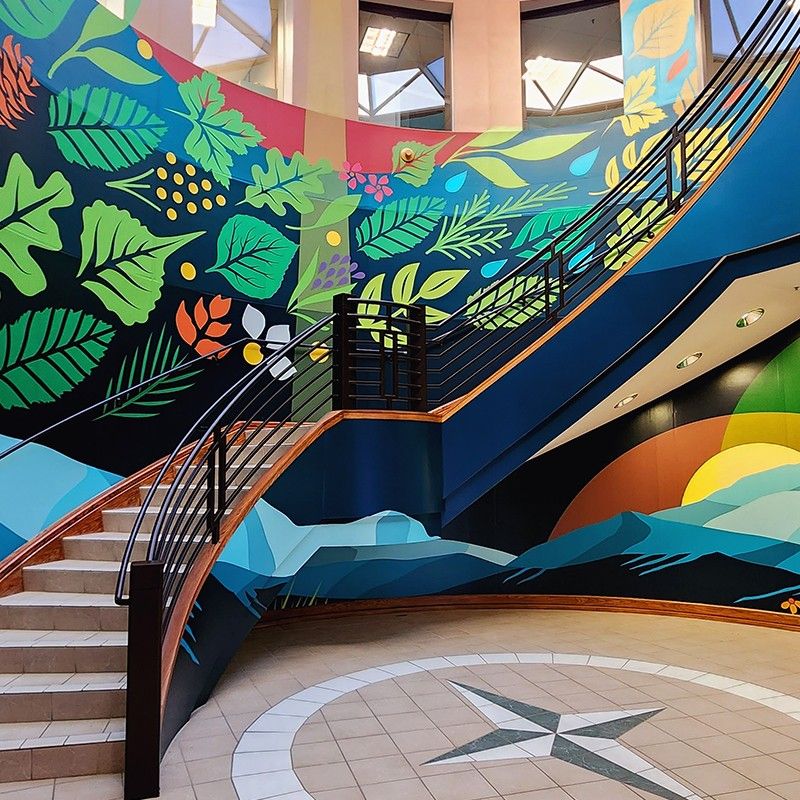

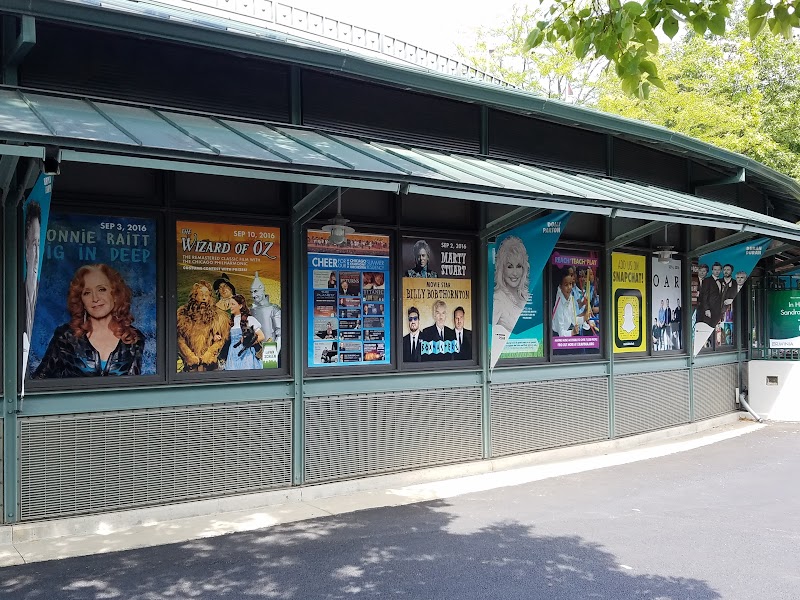
Types of Environmental Signage Systems Used in Chicago Commercial Buildings
A cohesive signage system requires a strategic mix of visual communication and material science. We specialize in four core categories:
Dynamic Wayfinding Systems
Directing foot traffic through multi-tenant buildings or sprawling campuses requires more than arrows. We design directional signage, building directories, and floor identifiers that use high-contrast typography and strategic placement at “decision points” to reduce visitor anxiety and improve operational flow.
Architectural Signage & Dimensional Elements
We integrate graphics directly into the building’s “skin.” This includes:
- Dimensional Lettering: Acrylic, metal, or PVC-free composites.
- Glass Finishes: Privacy frosting and distraction markers for LEED-certified glass interiors.
- Structural Integration: Graphics that follow the contour of masonry, concrete, or modern aluminum panels.
Sustainable Signage Solutions (Our “Green” Commitment)
To meet the growing demand for sustainable commercial interiors and LEED certification support, we offer a curated selection of eco-conscious materials:
- Substrates: Recycled aluminum composites and PVC-free rigid boards.
- Media: Bio-degradable films and 3M Wrap Films (non-PVC).
Branded Environments
We translate your digital brand guidelines into physical space through high-impact wall features and entry signage. Our team ensures that your corporate identity is rendered accurately across various textures, from smooth drywall to industrial brick.
How Environmental Graphics Improve Navigation and Operational Flow
Commercial environmental graphics directly affect how people move through a facility. In offices, healthcare environments, campuses, and multi-tenant buildings, unclear navigation leads to delays, interruptions, and inefficiencies.
Structured wayfinding systems place directional signage at key decision points. Directories provide orientation at entry zones. Identification signage confirms location, reducing hesitation and reliance on staff assistance. With these systems, you can improve operational flow by minimizing disruptions, allowing visitors to reach their destinations faster, reducing staff time spent providing directions, and ensuring spaces function more consistently.
Environmental graphics also support accessibility. ADA-compliant signage ensures inclusive navigation and regulatory compliance, particularly in public and commercial environments.
Where Environmental Graphics Systems Are Used Across Chicago Workspaces
Environmental graphics programs we’ve produced include multi-floor wayfinding systems for healthcare environments, ADA-compliant signage for educational campuses, and architectural branding elements for corporate interiors. These systems are designed to perform consistently across large and complex spaces.
Our work includes:
- Multi-floor wayfinding environmental signs for healthcare environments with high visitor volume and strict accessibility requirements
- Campus-wide signage systems that are designed to guide movement across multiple buildings
- Corporate interior branding aligned with architectural finishes, lighting conditions, and workspace layouts
- Mixed-use developments that require consistent navigation across retail, office, and shared public spaces
Each system is developed based on how people actually move through the environment, not just floor plans or design concepts.
The SpeedPro Advantage: Engineered for Real-World Performance
Many signage failures in Chicago facilities stem from poor material choice or a lack of spatial understanding. We mitigate these risks by customizing:
- Visual Scale: Determining the correct viewing distance for high-traffic corridors.
- Mounting Integrity: Selecting adhesives and mechanical fasteners based on Chicago’s humidity and temperature fluctuations.
- Accessibility: Full ADA (Americans with Disabilities Act) compliance, including Grade 2 Braille and tactile requirements.
Primary Verticals We Serve:
- Healthcare: Sterile-environment-friendly graphics for hospitals and clinics.
- Education: Campus-wide wayfinding for Lake County schools and universities.
- Corporate Offices: Multi-floor branding for downtown Chicago headquarters.
- Public Spaces: Durable, UV-resistant signage for parks and municipal buildings.
Why Chicago Businesses Choose SpeedPro Lake County
SpeedPro Lake County is a Gurnee-based large-format printing and signage studio serving Chicago and surrounding communities. We work with businesses, property managers, architects, and facility teams that require signage systems to function reliably in active environments.
Our team manages design and production internally, allowing for consistent execution across all components. Installation is coordinated with experienced professionals to ensure accurate placement and long-term performance. We approach each project with a focus on clarity, material selection, and usability within real-world conditions.
Our Process: How Environmental Signs in Chicago Are Delivered
A defined process ensures each signage system aligns with the space, its users, and operational requirements.
Consultation and Assessment
We evaluate your space, traffic flow, and signage requirements, including accessibility and environmental considerations.
Design Integration
We develop visual systems that align with architectural layouts and brand standards while maintaining clarity.
Material Specification
Materials are selected based on durability, environmental impact, and performance within the space.
Fabrication
Production is completed with controlled processes to ensure consistency across all signage components.
Installation
Installation is managed for accuracy, secure mounting, and minimal disruption to daily operation.
Plan Your Environmental Graphics Project With a Chicago-Area Team
If your facility requires structured wayfinding, architectural signage, or environmentally responsible graphics, SpeedPro Lake County provides systems designed for clarity and long-term use. Contact our Gurnee studio today to discuss your project and discover how our solutions can benefit your Chicago business.
Request a consultation today to evaluate your space and define a signage system that supports navigation, usability, and design intent. Connect with us to get started on your environmental graphics project.