

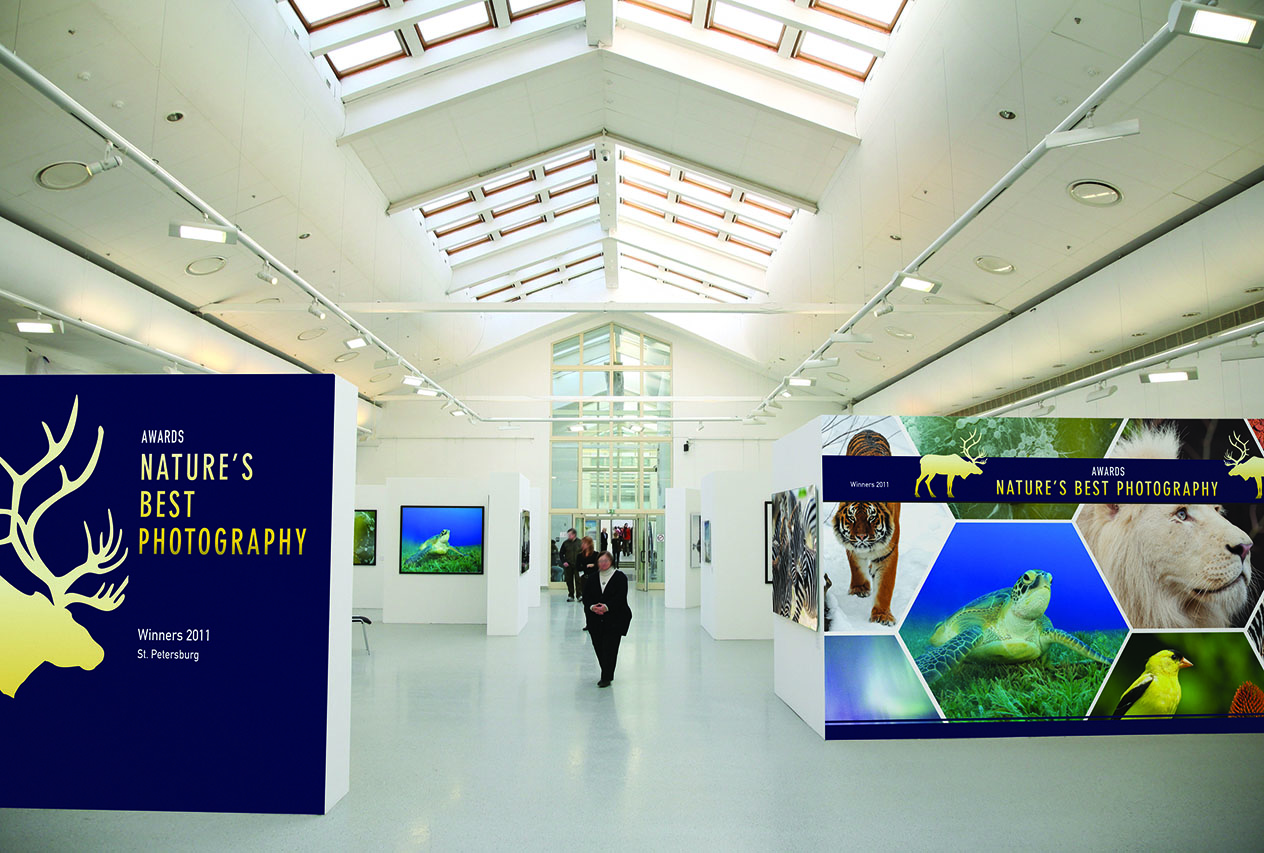


Museum Signs and Wayfinding
For museums across the East Bay, San Francisco, and Silicon Valley, signage quietly shapes visitor experiences, without drawing attention to itself. Most visitors never stop thinking about signage unless something goes wrong. They are, however, quick to notice when they cannot find the next exhibit.
Visitors move through exhibits quickly, often absorbing information in short bursts as they navigate unfamiliar spaces. If signage doesn’t help this process, it can hurt it instead, causing frustration and even abandonment of an exhibit.
Museums are expected to create experiences that feel immersive, educational, and visually engaging at the same time. Signage helps guide flows, create structure, support storytelling, and help visitors stay connected to the exhibit instead of worrying about where to go next.
Contact SpeedPro East Bay, your trusted partner for museum signs across the Bay area.
Why Museum Signage Matters Beyond Directions
A good museum signage program includes obvious wayfinding elements like directional signs, but it also involves much smaller details:
- Transitional graphics between exhibits
- Introductory panels
- Room identifiers
- Interactive display instructions
- Donor recognition
- Accessibility markers
- Retail and café signage
All of those pieces contribute to how visitors experience the institution as a whole.
In larger museums, visitors rely heavily on visual cues without even realizing it. A well-designed wayfinding system keeps traffic moving smoothly while encouraging people to explore at their own pace.
When signage is inconsistent or unclear, people tend to disengage faster. They skip sections, miss exhibits, or spend more time looking for directions than actually interacting with the displays.
The Best Exhibit Graphics Support the Story
Museum visitors expect more than static displays now. Whether the subject is science, history, art, or culture, people want exhibits to feel layered and immersive. Graphics help create that atmosphere long before someone reads the first paragraph on a display panel.
Typography, materials, scale, lighting, and color all influence how an exhibit feels emotionally. A contemporary art exhibit may lean into minimal graphics and clean lines, while a natural history of installation might use oversized environmental murals and textured displays to create a stronger sense of place.

That is why exhibit graphics are usually most successful when they are planned alongside the exhibit design rather than added at the end. When graphics, architecture, lighting, and visitor flow work together, the experience feels cohesive instead of fragmented.
Wayfinding Has a Bigger Impact Than Most Museums Expect
Ideally, a wayfinding system creates a sense of orientation almost automatically. People move from one space to another without confusion because the signage hierarchy feels intuitive.
This becomes especially important in:
- Multi-level museums
- Historic buildings
- Science centers
- Children’s museums
- Campus-style institutions
- Temporary exhibit spaces
Even subtle design choices can affect movement patterns. Ceiling-mounted signs, wall graphics, floor decals, and exhibit identifiers all influence how visitors move through a museum space.
Museums also need to account for different types of visitors. Families with children, school groups, tourists, older adults, and first-time visitors will all navigate exhibits differently. Museum signage should accommodate those varying needs without making the environment feel overly instructional.
See SpeedPro East Bay’s work in Oakland at the Chabot Space and Science Center.
Rotating Exhibits Create Different Signage Challenges
Seasonal installations, traveling collections, and special events require adaptable, changeable museum exhibit signs that can be updated on the fly.
Temporary exhibits usually operate within tighter schedules than permanent galleries. Production delays can affect events and installation timelines, causing disruption. Signs for museums that can be moved, changed, and fitted into available space are a must.
Because of that, museum teams benefit from working with graphics partners who understand how exhibit timelines actually work in practice, partners who can coordinate with curators, fabricators, and installation crews rather than simply producing files for print.
Materials Matter More Inside Museums
Museum environments are unique. Lighting conditions, visitor traffic, preservation requirements, and architectural limitations all affect how graphics perform over time.
Signage material that looks excellent in one gallery can create glare problems in another with different lighting. Some exhibits require highly durable surfaces due to heavy visitor interaction, while others should have a finish that blends easily into a quieter environment.
Different display types serve different purposes:
- Acrylic panels can create depth and dimension
- Fabric graphics help soften large spaces
- Matte wall murals reduce reflections
- Dimensional lettering adds texture
- Metal or wood elements can complement exhibit themes
Choosing materials is rarely just about aesthetics. Museums also need to consider maintenance, longevity, readability, and installation of logistics.
Accessibility Has Become a Core Part of Exhibit Design
Accessibility features like ADA signs for museums aren’t detailed to be layered at the end of a project; they should be planned from the start. The feeling should be one of not just cold compliance, but of a warm welcome and inclusiveness.
Thoughtful accessibility planning improves the museum experience for people who may not identify as disabled but still benefit from clearer navigation and easier-to-read content.
Consistent Museum Signage Helps Exhibits Feel More Professional
Consistency is key when it comes to museum signs in the East Bay. A discerning audience is quick to notice inconsistencies and can become distracted by them, even to the point of being unable to enjoy an exhibit.
Consistency becomes particularly important when museums:
- Expand exhibits over time
- Host traveling collections
- Refresh seasonal installations
- Coordinate donor-funded spaces
- Maintain multiple buildings or campuses
Reliable production standards help exhibits feel intentional and unified rather than assembled in pieces over several years.
Curators, exhibit designers, facilities teams, fabricators, marketing departments, and leadership teams may all have input at different stages. The most effective signage partnerships tend to be those in which production teams understand both the creative and operational realities of exhibit development.
Visitors may remember the artifacts, installations, or exhibits themselves, but signage quietly shapes how those experiences unfold from beginning to end. Good museum graphics help people feel comfortable in the space. They guide movement, support storytelling, reinforce branding, and improve accessibility without overwhelming the environment.
When signage is handled thoughtfully, visitors spend less time navigating the building and more time engaging with the exhibit itself. That is ultimately what most museums are trying to achieve.
Planning a new exhibit, refresh, or expansion in the East Bay, San Francisco, or Silicon Valley? Contact SpeedPro East Bay for a consultation or quote and get started.
Frequently Asked Questions About Museum Signage